
Skip to content
Jump To:
Selected Item

Chemistry in Sports: Textile Chemistry Innovations in Performance Apparel and Sports Equipment

Walking, running, cycling, swimming, yoga, fitness classes and team sports are just some of the seemingly endless options for exercise. In many instances, there is specific clothing and sports equipment for these activities.
Sunscreen

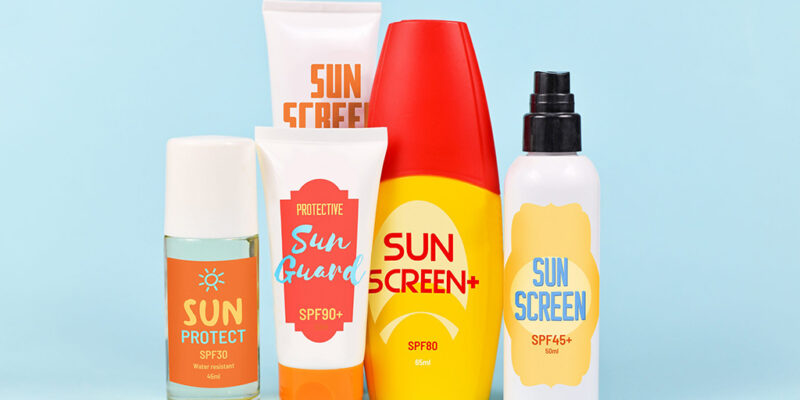
The two main types of sunscreens are mineral sunscreens (also known as sunblock) which deflect UV rays, and chemical sunscreens which absorb sunlight.

Are There Really Thousands of Untested Chemicals in Our Products?

If you’ve ever read a news article or blog post about chemicals, you may have heard the oft-cited claim that there are 84,000 untested chemicals in everyday products. This is false.

Video: Chemistry in the Great Outdoors

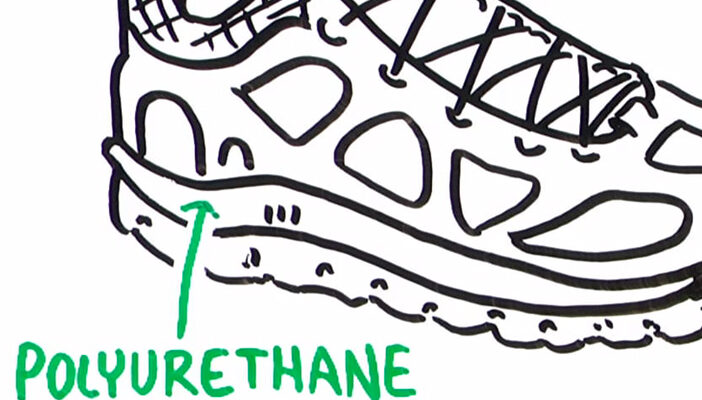
From durable sneakers to waterproof jackets, chemistry plays a big role in all types of outdoor activities. Learn how outdoors and chemistry work together.

How EPA Prioritizes Chemical Risk Assessments

The Toxic Substances Control Act (TSCA) is the United States’ primary chemical management law. In 2016, the Frank R. Lautenberg Chemical Safety for the 21st Century Act, which modernized TSCA, was signed into law after passing in Congress with overwhelming bipartisan support.

Video: Ethylene Oxide – An Essential Chemistry

Ethylene Oxide is a versatile and essential chemical building block. Companies that make and work with Ethylene Oxide are actively investing in research and advanced product stewardship technologies...

How Do Chemicals Impact the Endocrine System

It Depends on Dose & Duration of Exposure. Many substances and activities can impact the endocrine system – stress, food, and exercise, for example, are among the most common.

How Do the Products of Chemistry Help Save Energy?

Nearly every energy-efficient technology or product, and even the packaging that protects and ships products, is dependent on innovations in chemistry – from lithium-ion batteries in laptops, mobile phones and the next generation of electric cars...

Why Did the Chemist Cross the Road?

The concept of marketing a product as “chemical free” is so bewildering to chemists – those people who have spent their lives devoted to what most of us left behind after the chemistry lessons of school – that they have engaged in all sorts of jokes at the expense of us non-chemists.

Chemical Exposures and Our Endocrine System

The human endocrine system produces hormones that help regulate bodily functions, including metabolism, growth, development, tissue function, sexual function, reproduction, sleep and mood.

How Face Masks Help Protect Against COVID-19

It’s been more than a year since the COVID-19 pandemic began, and although people are starting to get vaccinated, the virus continues to spread.

Chemical Testing & Approval

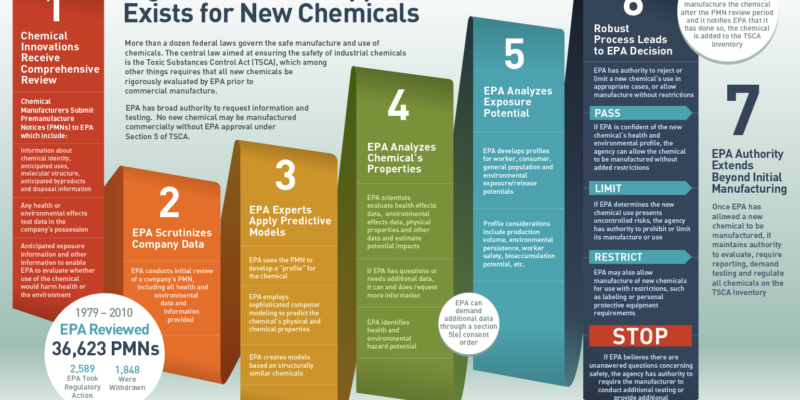
While chemical makers invest significant resources to study and test their products, Americans also need to feel confident that the federal regulatory system is working to protect their families and the environment.

Back to Top

For more chemical safety facts, follow us on social media.

© 2005 – 2023 American Chemistry Council, Inc. The ACC mark, Responsible Care®, the hands logo mark, CHEMTREC®, TRANSCAER®, and americanchemistry.com are registered service marks of the American Chemistry Council, Inc.